
Low-energy days are not the time to chase an ideal routine. The more useful goal is smaller and more practical: protect the work that matters most, reduce avoidable mistakes, and get through the day without making tomorrow worse. Low energy can come from short sleep, stress, illness, a heavy workload, or mental health strain, and adults generally need at least 7 hours of sleep a night. (cdc.gov)
Shrink the day before you try to push through it
When energy is low, trying to do everything usually creates a frustrating mix of busyness and avoidance. A better move is to make the day deliberately smaller. Instead of asking how to stay fully productive, ask what would make today count.
- Put every open task in one place so your brain is not using energy just to remember what exists.
- Choose one task that truly needs progress today. If nothing is urgent, pick the task that will reduce the most stress tomorrow.
- Break that task into pieces small enough to finish in 10 to 15 minutes.
- Postpone or simplify work that depends on fresh thinking unless it is genuinely unavoidable.
- Set a realistic finish line for the day before you begin, so “good enough” is defined in advance.
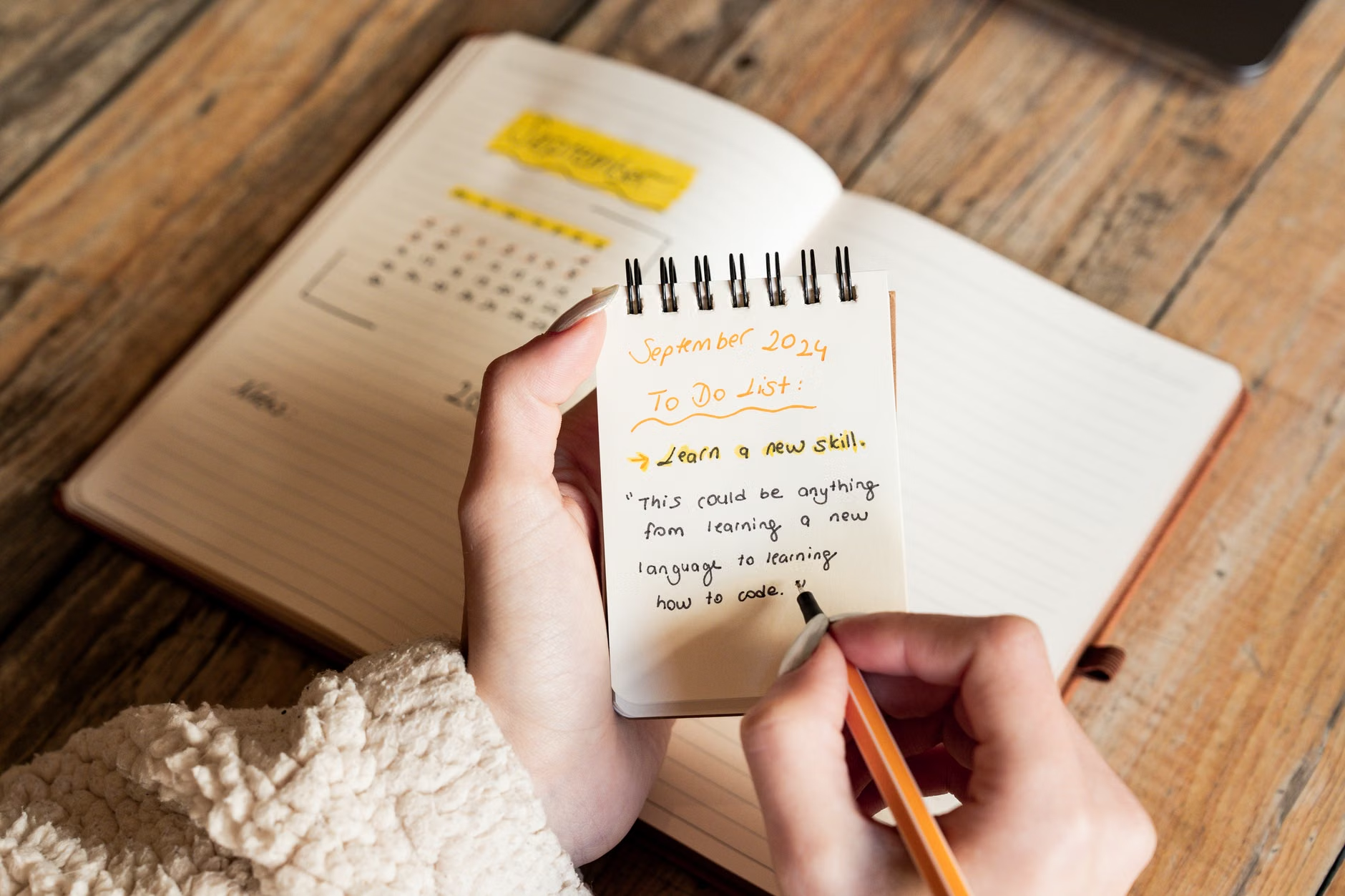
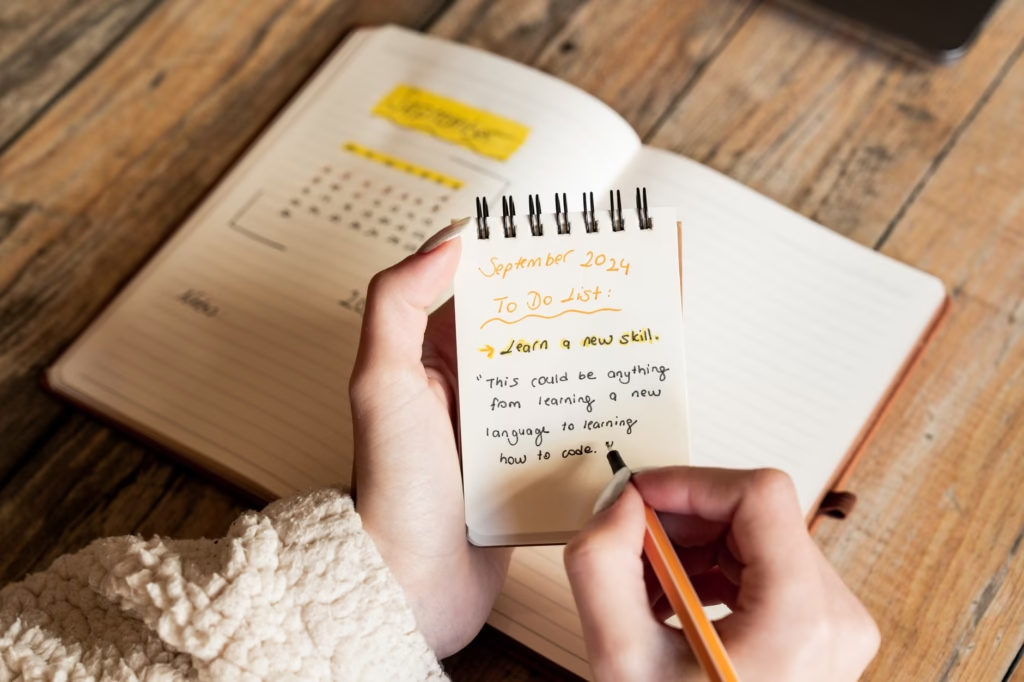
That last step matters more than it sounds. Low energy makes vague expectations feel heavier. If the job is “write the report,” resistance climbs. If the job is “draft the opening, pull the last quarter’s numbers, and send two follow-up emails,” work becomes easier to start.
Match the task to the energy you actually have
A common mistake is saving low-value work for high-energy days and then trying to do complex, high-stakes work while drained. The opposite usually works better. Low-energy hours are often fine for work that benefits from steadiness more than creativity.
- Good fits for very low energy: inbox triage, scheduling, filing, formatting, simple approvals, routine follow-ups, and cleaning up notes.
- Better fits for moderate energy: outlining, reviewing a draft, preparing for a meeting, organizing research, or solving one clearly defined problem.
- Best postponed if possible: high-conflict conversations, detailed analysis, big strategic decisions, and work where one careless error is expensive.
Short work cycles help here. A 20- to 25-minute block is often enough to get traction without pretending concentration is normal. After each block, stop long enough to decide whether to continue, switch tasks, or call it for now. That decision point matters because low-energy work usually gets worse when it turns into automatic slogging.
In practice, this might mean spending one block outlining a presentation instead of forcing yourself to polish every slide. Progress still happens, but the task is shaped to the brain you have that day, not the one you wish you had.

Use recovery tactics that help today without sabotaging tonight
The biggest trap on a sluggish day is borrowing too much from tomorrow. A long afternoon nap or late caffeine can make nighttime sleep worse, which can turn one off day into several. The CDC recommends avoiding caffeine in the afternoon or evening, and NIOSH notes that a brief daytime nap of about 15 to 30 minutes can improve alertness but is not a substitute for regular sleep. (cdc.gov)
- If a nap is possible, keep it short and set an alarm.
- Use breaks as real breaks, not as another way to sit in front of a screen and feel guilty.
- After a hard block, change state on purpose: stand up, walk, stretch, or move somewhere less stale.
- Save the evening for habits that make sleep easier, not harder.
If a nap leaves you with that heavy, foggy feeling, do not jump straight into detailed work. NIOSH warns that performance and mood can dip briefly right after waking, so it makes sense to give yourself a few minutes before doing anything precise or high-stakes. (archive.cdc.gov)

Know when productivity advice is the wrong tool
Productivity tactics help with ordinary low-energy days. They are the wrong tool if low energy is frequent, worsening, or hard to explain. Ongoing fatigue can be linked to sleep problems, medications, depression or anxiety, medical conditions, or post-viral illness, and the NIH advises talking with a health care provider if you have been tired for several weeks with no relief. (newsinhealth.nih.gov)
The same goes for sleep that looks long enough on paper but still does not feel refreshing, or low energy that arrives with mood changes and loss of interest. In that situation, the useful move is not a tighter to-do list. It is figuring out what may be draining your energy in the first place. (cdc.gov)
On a low-energy day, a productive day may look smaller than usual: one meaningful task moved forward, a few easy wins cleared, and no avoidable damage to tonight’s sleep. That is not lowered ambition. It is good energy management.
References
- CDC – About Sleep – https://www.cdc.gov/sleep/about/index.html
- NIH News in Health – Feeling Fatigued? – https://newsinhealth.nih.gov/2022/11/feeling-fatigued
- CDC/NIOSH – Napping, an Important Fatigue Countermeasure – https://archive.cdc.gov/www_cdc_gov/niosh/emres/longhourstraining/napping.html
- National Institute of Mental Health – My Mental Health: Do I Need Help? – https://www.nimh.nih.gov/health/publications/my-mental-health-do-i-need-help